Breakers
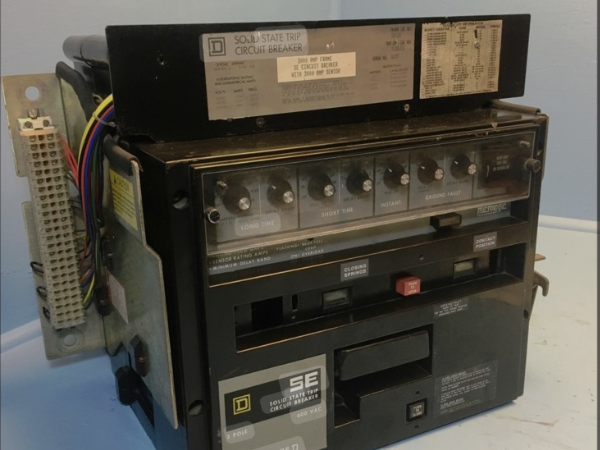
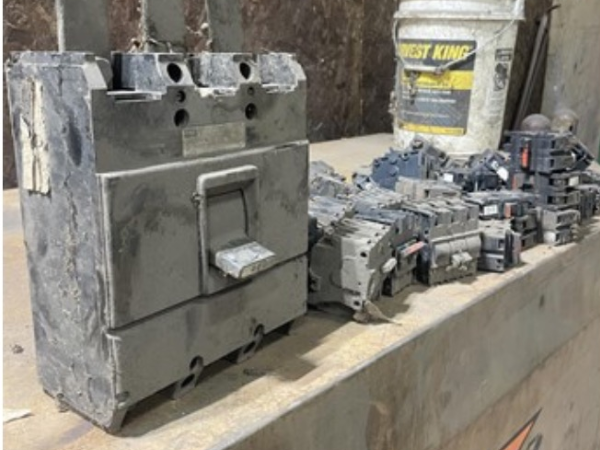
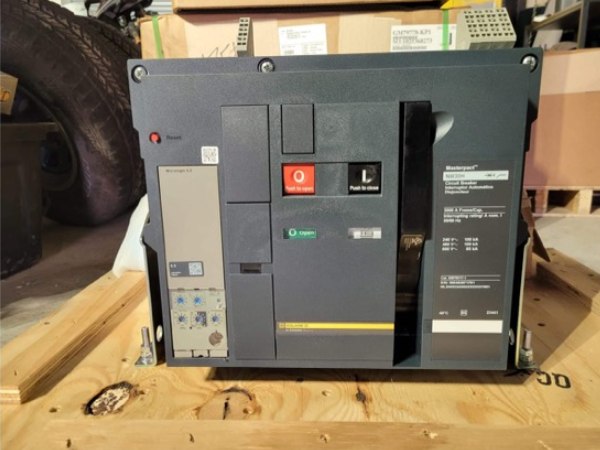
Breakers, or circuit breakers, are critical safety and protection devices used in power plants to automatically interrupt the flow of electricity in the event of an overload, short circuit, or other electrical fault. They protect vital equipment such as generators, transformers, switchgear, and distribution panels from damage, ensuring safe and reliable power plant operation.
Circuit breakers in power plants are designed to handle high voltage and current levels, often operating in complex protection schemes that coordinate with relays, sensors, and control systems. Available in various types—including air, vacuum, oil, and SF₆ (sulfur hexafluoride) breakers—they are selected based on voltage rating, application, and environmental considerations.
Key Features:
-
Fast and reliable fault interruption
-
High breaking capacity to manage large fault currents
-
Manual or automatic reset mechanisms
-
Integrated arc-quenching systems (vacuum, SF₆, etc.)
-
Remote monitoring and control compatibility
-
Built to ANSI, IEC, and IEEE standards
Typical Applications in Power Plants:
-
Generator protection
-
Transformer and feeder circuit isolation
-
Busbar fault isolation
-
Switchyard and substation circuit protection
-
Emergency shutdown systems
Breakers play a vital role in minimizing downtime, enhancing safety, and preventing costly damage to power plant infrastructure. Their performance is fundamental to maintaining uninterrupted power generation and distribution.