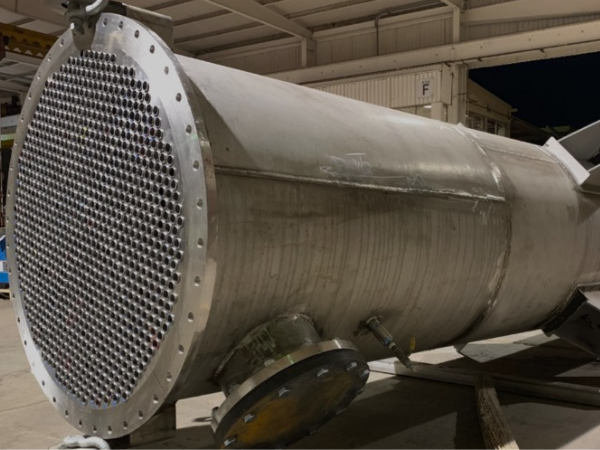
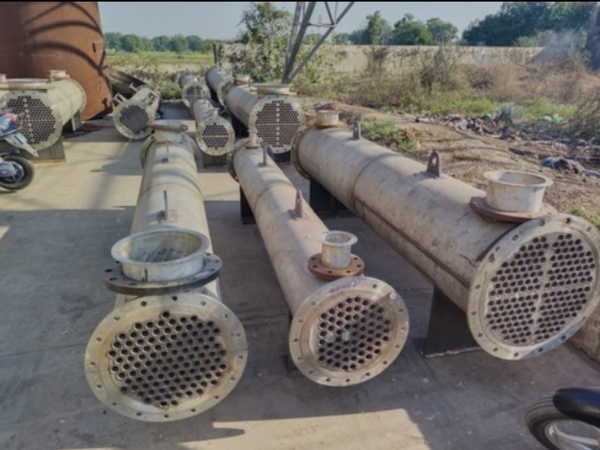
Heat Exchangers
Heat exchangers are essential components in power plants, designed to efficiently transfer heat between two or more fluids without mixing them. They play a crucial role in thermal energy management—supporting processes such as steam generation, condenser cooling, lubrication oil temperature control, and feedwater heating.
In both fossil-fuel and renewable power plants, heat exchangers contribute to maximizing energy efficiency, optimizing fuel usage, and maintaining stable operating conditions. They come in various configurations including shell-and-tube, plate, finned-tube, and air-cooled types, depending on application needs and space constraints.
Key Features:
-
High thermal transfer efficiency
-
Constructed from corrosion- and heat-resistant materials (e.g., stainless steel, titanium, copper alloys)
-
Compact or large-scale designs for different system sizes
-
Low pressure drop and easy maintenance
-
Designed to ASME, TEMA, and API standards
Typical Applications in Power Plants:
-
Condenser systems – condense exhaust steam from turbines
-
Feedwater heaters – preheat boiler water to improve cycle efficiency
-
Lube oil coolers – maintain safe oil temperatures in rotating equipment
-
Air preheaters – recover heat from flue gases
-
Cooling systems – manage temperature in generators, transformers, and compressors
Heat exchangers are vital to efficient power generation and operational stability. By effectively managing heat flow across various systems, they help extend equipment life, reduce energy consumption, and improve overall plant performance.