Tanks
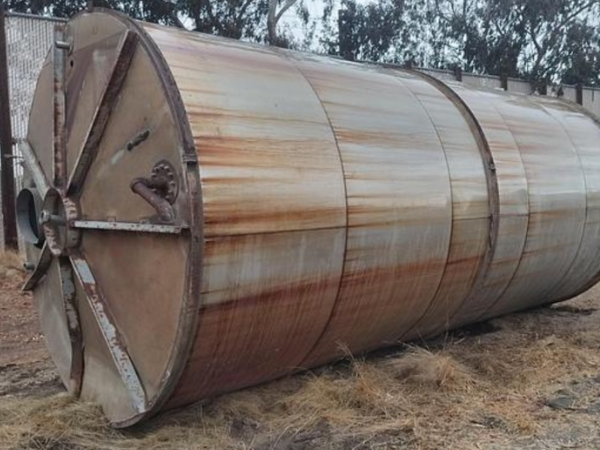
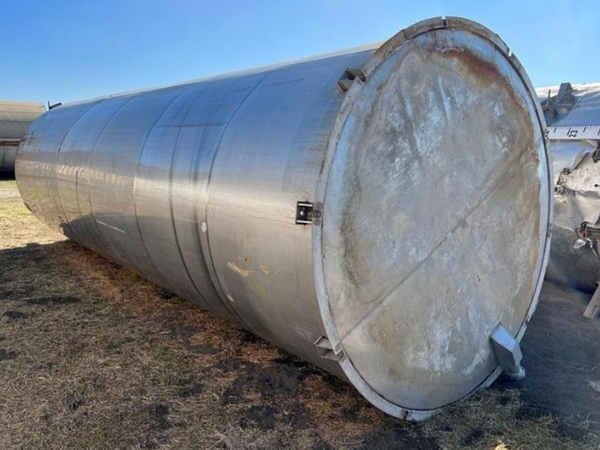
Tanks are essential components in power plants, designed to store and manage a variety of liquids critical to plant operations. These include fuel oil, demineralized water, cooling water, lubricants, chemicals, and condensate. Built for durability, safety, and efficiency, power plant tanks are engineered to withstand high temperatures, pressure fluctuations, and corrosive substances.
Depending on their function, tanks can vary in size, material, and configuration—ranging from vertical cylindrical tanks to horizontal pressure vessels. They play a vital role in supporting systems such as the boiler feedwater circuit, lubrication systems, cooling processes, and emergency backup operations.
Key Types:
-
Fuel Storage Tanks – Store diesel or oil used for combustion or backup generators
-
Water Storage Tanks – Hold raw, treated, or demineralized water for use in steam generation
-
Chemical Dosing Tanks – Contain treatment chemicals for boiler or cooling water systems
-
Condensate and Drain Tanks – Capture and recycle condensate from steam processes
-
Lubrication Oil Tanks – Supply lubricating oil to turbines, pumps, and other rotating equipment
Key Features:
-
Corrosion-resistant materials (e.g., carbon steel, stainless steel, fiberglass-lined)
-
Thermal insulation and heat tracing (for temperature-sensitive fluids)
-
Integrated level monitoring and safety valves
-
Designed and fabricated to industry standards (ASME, API, ASTM)
Tanks are indispensable to the reliability, safety, and efficiency of power plant operations, ensuring a stable supply and proper handling of vital liquids throughout the facility.