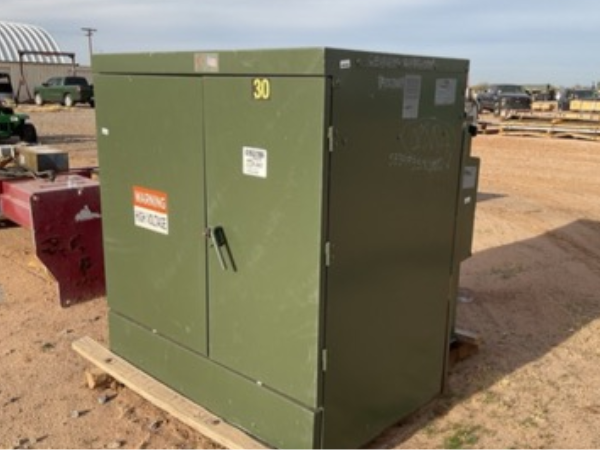
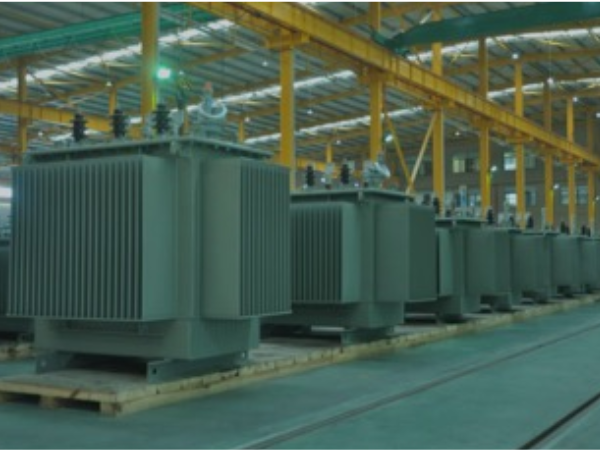
Transformer
A Transformer is a vital component in power plant infrastructure, responsible for efficiently stepping up or stepping down voltage levels to enable the safe transmission and distribution of electrical power. In power generation facilities, transformers play a key role in linking the plant’s electrical output to the grid or to internal auxiliary systems.
Power plant transformers are engineered for high reliability, thermal stability, and long service life under continuous load conditions. They are used in various applications within the plant, such as generator step-up (GSU) transformers, auxiliary transformers, unit transformers, and station service transformers.
Key Features:
-
High-voltage and high-capacity design (often exceeding 400kV)
-
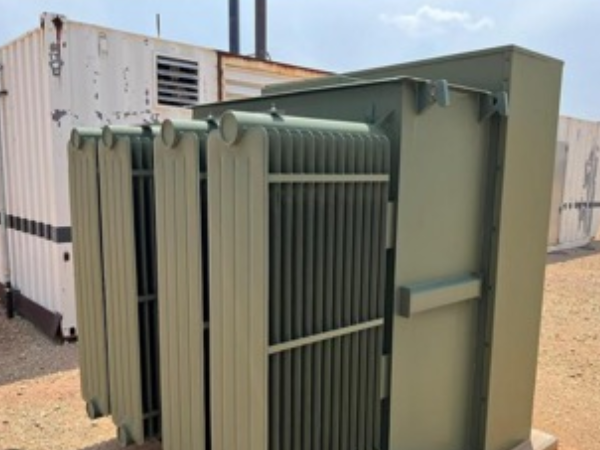
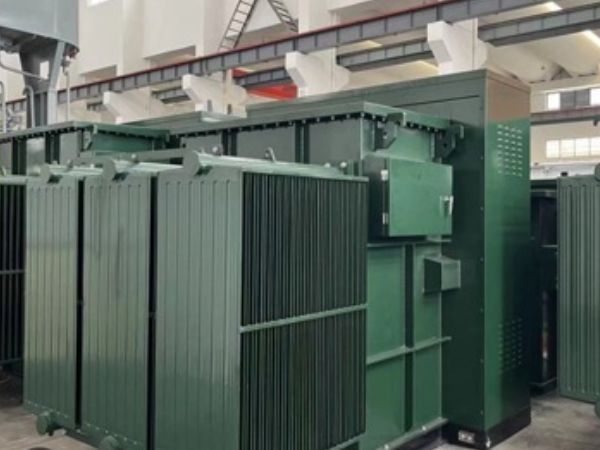
Oil-filled or dry-type insulation for cooling and safety
-
Robust construction for long-term performance under heavy loads
-
Low-loss core design to enhance efficiency and reduce heat generation
-
Built to comply with IEC, IEEE, ANSI, and other international standards
Transformers ensure stable voltage regulation, reduce transmission losses, and contribute to the overall operational efficiency and safety of power generation systems. Their performance directly impacts grid reliability, power quality, and system integrity.